Security Holograms.

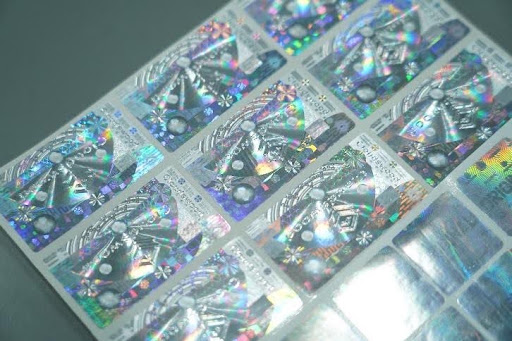
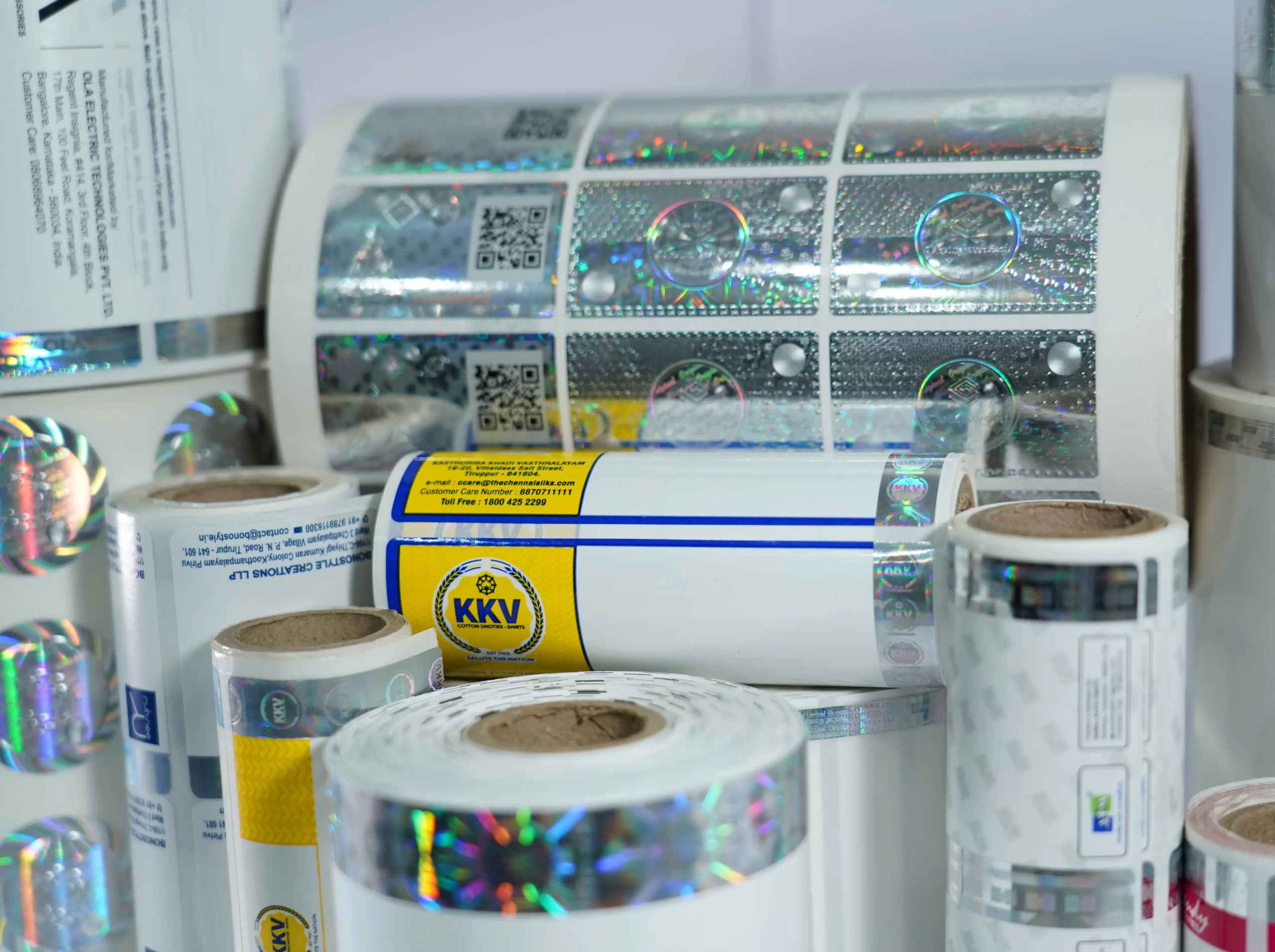
High-security holograms manufactured with advanced optical features that are extremely difficult to duplicate — applied to banknotes, tax stamps, passports, automobile spare parts, medicines, cosmetics and FMCG products worldwide.

CLOUDSWOOD TECHNOLOGIES ◆ NON-CLONABLE ◆ TAMPER EVIDENT ◆ HOLOGRAMS ◆ ISO 9001:2015 ◆ SECURITY LABELS ◆ ASPA MEMBER ◆ BARCODE RIBBONS ◆ BANGALORE ◆ CHENNAI ◆ NEW DELHI NCR ◆ UMM AL QUWAIN ◆ CLOUDSWOOD TECHNOLOGIES ◆ NON-CLONABLE ◆ TAMPER EVIDENT ◆ HOLOGRAMS ◆ ISO 9001:2015 ◆ SECURITY LABELS ◆ ASPA MEMBER ◆ BARCODE RIBBONS ◆ BANGALORE ◆ CHENNAI ◆ NEW DELHI NCR ◆ UMM AL QUWAIN ◆

A visible deterrent that anyone can check.

While holographic stickers may have been a trend in the late 1990s and early 2000s, these labels serve a very important purpose for businesses today. Holographic stickers are used to prevent forgery and the production of counterfeit labels.

They are applied to all sorts of products — banknotes, tax stamps, passports, automobile spare parts, medicines, cosmetics, FMCG products, cable, paint and chemical industries, garments and certificates.

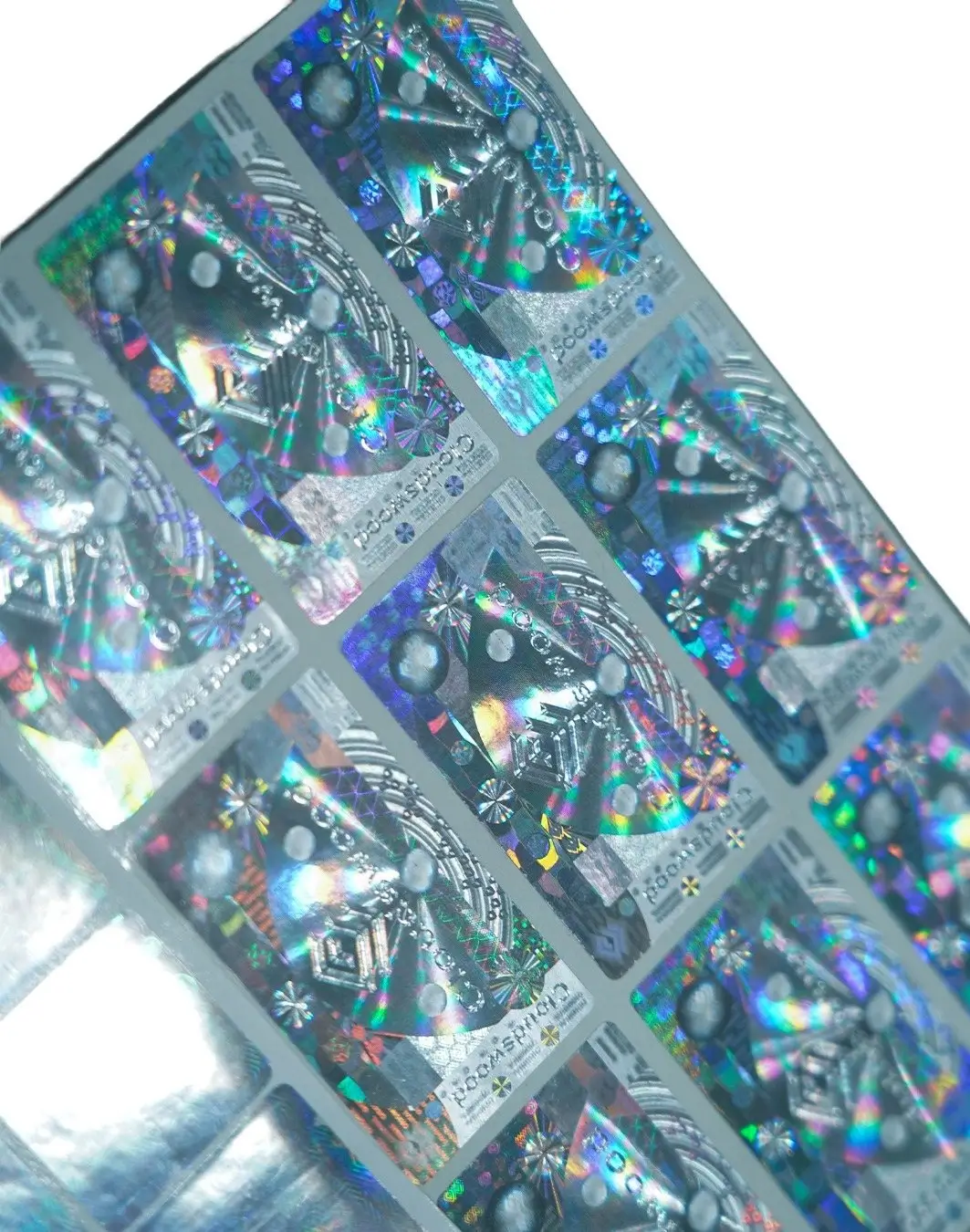
There are a variety of holographic constructions available to prevent alteration and to reveal any attempt at tampering. Every hologram we manufacture can be customised to carry your logo, brand marks and hidden security elements.

Eight optical features that resist reproduction.

These features are highly advanced and effectively impossible to copy with conventional print or scanning technology.

Embossed effect

The latest security feature giving an actual embossed appearance, typically rendering a logo in apparent relief. Because it reads as physical depth rather than printed shading, a flatbed scan or photograph of the label loses the effect entirely.

Letter lens effect

Hidden lettering revealed only through a specific lens or viewing angle.

Floating / parallax

A hidden logo or letter floats
within the design — visible under a phone torch or yellow light.

Achromatic effect

A non-holographic effect carrying multiple images without rainbow diffraction.

De-metallised effect

Metal selectively removed to precise registration, creating transparent windows and text.

3D holographic effect

True depth with a real image,
including 4-channel true-colour
reproduction.

Microtext & nanotext

Text so small it can only be resolved under magnification or a microscope.

Kinetic & gradient

Movement, colour gradient and
glitter effects that shift as the label is tilted.

Four origination technologies.

The origination method determines how hard the hologram is to reproduce — and how much it costs. We specify the right one for your risk profile and volume.

Most common

2D and 3D holographic design

The most common type of holographic sticker. Multiple images are layered onto one surface; when the surface is tilted at different angles, the images reflect differently. Different layers often carry different colours. Most labels feature a two- or three- layer design.

High security

Dot matrix design

Among the most complicated designs, making attempted forgery very challenging. The typical resolution of 10 micrometres per holographic optical element (HOE) makes this a very expensive design to reproduce. The images usually feature computer-generated radiation patterns.

Two images

Flip-flop design

Flip-flop refers to a technique called Flip Flop Hologram Masters origination, which gives the appearance of two completely different images depending on the viewing perspective — rather than simply highlighting different layers of a single design. These images give an illusion of depth other designs cannot.

Highest resolution

Electron beam lithography

E-beam lithography systems create images of very high resolution — as much as 254,000 dots per inch. Images can include hidden elements revealed only from a specific angle, and nanotext so small it can only be viewed under a microscope.

Technical specification.

Security hologram — standard specification
Product type Security hologram label, hot stamping foil, holographic film
Origination methods 2D/3D multi-layer, dot matrix, flip-flop, electron beam lithography
Dot matrix resolution 10 µm per HOE
E-beam resolution up to 254,000 dpi
Optical features Embossed, letter lens, floating / parallax, achromatic, de-metallised, 3D real image, microtext, nanotext, kinetic, gradient, glitter
Base material Metallised polyester (PET) film
Adhesive options Permanent, acrylic, rubber-based, tamper evident, ultra destructible
Formats Self-adhesive label, hot stamping foil, holographic pouch / lamination film, tear tape
Customisation Customer logo, brand marks, sequential numbering, barcode, QR code, variable data
Add-on security Combinable with physical and digital security features for additional protection
Manufacturing standard ISO 9001:2015 Certified — Certificate 09112090A
Manufacturing units Bangalore · Chennai · New Delhi NCR · Umm Al Quwain (UAE)

Where security holograms are used.

Trusted where authenticity carries consequences.

Automotive

Protecting spare parts and automotive components from fake replacements.

Pharmaceuticals

Protecting medicines and healthcare products from counterfeit risks.

Government & Documents

Certificates, IDs, tax stamps and official documents.

Manufactured in our plants.

Full product range
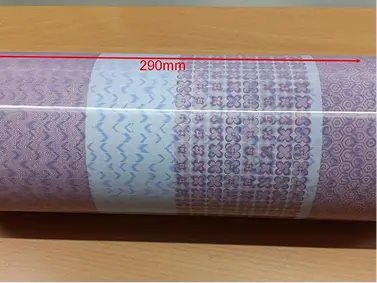
Holographic film
De-metallised branding
Hologram label rolls

Hologram specification sheet

Features, variants, materials and application guidance

Often specified together.

Brand Protection

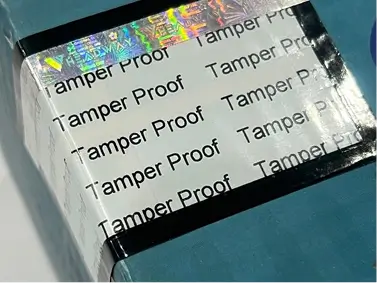
Tamper Proof Labels

Three-layer tamper evident labels with special adhesive — impossible to open, alter or reapply.
Brand Protection

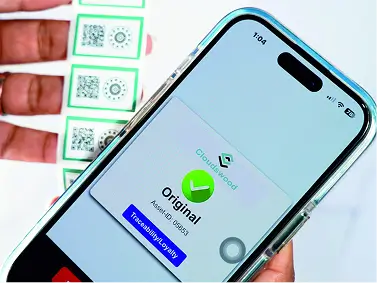
Non-Clonable Digital Security

Print-only, 100% copy-proof security verified by any smartphone — with no app to install.
Brand Protection

Microlens (Micro Optic Film)

Security film combining floating, parallax and flip-image effects — impossible to imitate.